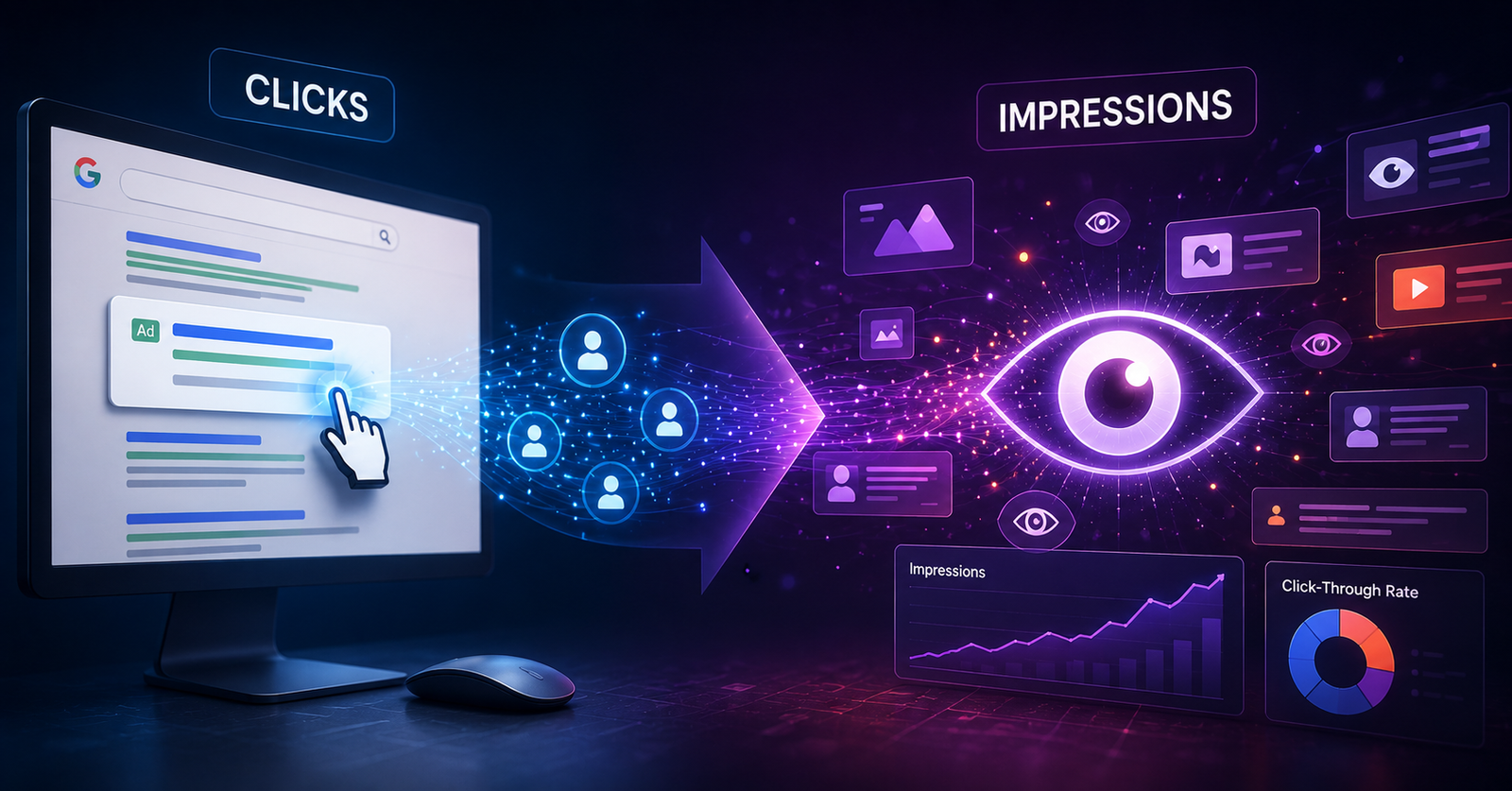
A sudden decline in traditional organic website traffic is becoming a widespread reality for brands across almost every sector. As search engines integrate generative answer engines and direct search summaries into primary results pages, user behavior is changing dramatically. Rather than clicking through multiple links, searchers are increasingly receiving immediate answers directly on the search engine results page. When organic click volume drops, marketing decision-makers must evolve their reporting frame away from pure session counts toward comprehensive tracking of brand presence across artificial intelligence engines.
Understanding the Shift from Clicks to Impressions
The rise of zero-click searches does not mean potential customers are no longer discovering products or services. Instead, search behavior has moved toward quick synthesis. AI snapshots, overview panels, and interactive conversational interfaces provide immediate recommendations, synthesized reviews, and direct solutions. This means that while site visits may show a downward trend, brand discovery and buyer touchpoints may actually be rising.
Businesses evaluating their digital presence must distinguish between lost audience interest and evolved user journeys. When users obtain immediate information through AI panels, they only click through to a website when they are ready to engage deeply or make a transaction. Consequently, brands adjusting strategies for AI summaries often notice that while overall website sessions decrease, traffic quality, conversion rates, and session duration improve substantially.
Key Metrics to Track in the Search Era
To accurately measure digital reach in modern search environments, marketing reports must highlight metrics that capture zero-click exposure, conversational engine inclusions, and qualified interactions. Modern performance tracking relies on several primary indicators:
1. AI Share of Voice and Brand Mention Frequency
Measuring how frequently a brand appears within generative search responses across conversational platforms provides a true benchmark of digital authority. Monitoring citation frequency and sentiment within generated answers ensures businesses know whether platform summaries recommend their solutions over competitors.
2. High-Intent Organic Conversion Rates
Because top-of-funnel queries are frequently satisfied directly on the search page, remaining organic website visitors typically possess much higher purchase intent. Tracking page-level conversion rates rather than total visit volume reveals how effectively top-ranking content converts qualified leads.
3. Multi-Touch Attribution and Referral Traffic
AI platforms frequently cite authoritative sources, leading to secondary referral traffic from direct links, industry roundups, and directory mentions. Evaluating total search ecosystem health within a modern data-driven SEO campaign requires tracking these referral paths alongside traditional search engine queries.
Communicating Evolving Value to Stakeholders
Educating business leadership on changing search dynamics is essential for maintaining confidence during industry transitions. When presenting performance updates, marketing managers should emphasize narrative shifts alongside data. Demonstrating that a drop in superficial clicks correlates with higher conversion quality reassures stakeholders that organic strategy remains highly profitable.
By framing search performance through the lens of overall brand presence, lead generation efficiency, and authoritative citations, organizations can navigate the evolving search landscape with confidence and strategic focus.
Further Reading: searchenginejournal.com
Frequently Asked Questions
Why is organic traffic dropping even though keyword rankings remain stable?
Search engines frequently answer queries directly on the results page using generative AI panels, providing immediate answers that eliminate the need for a user to click a website link.
How do businesses measure AI visibility metrics?
AI visibility metrics are measured by tracking brand mention frequency across generative AI platforms, monitoring citation links, and measuring referral traffic from direct source links.
Does a drop in organic sessions mean SEO is failing?
No, organic session drops often reflect changing user behavior rather than lower visibility, as modern search users click through primarily when they have specific, high-intent conversion goals.
What metrics should be presented to executive stakeholders instead of clicks?
Marketing reports should focus on conversion rates, qualified lead generation, referral traffic quality, brand impression share, and citation frequency in target AI engines.
Ready to put this into practice? Spree Marketing helps businesses in the US, UK, and India turn strategies like this into measurable growth.